The Future of AI in Digital Art Galleries and Exhibitions
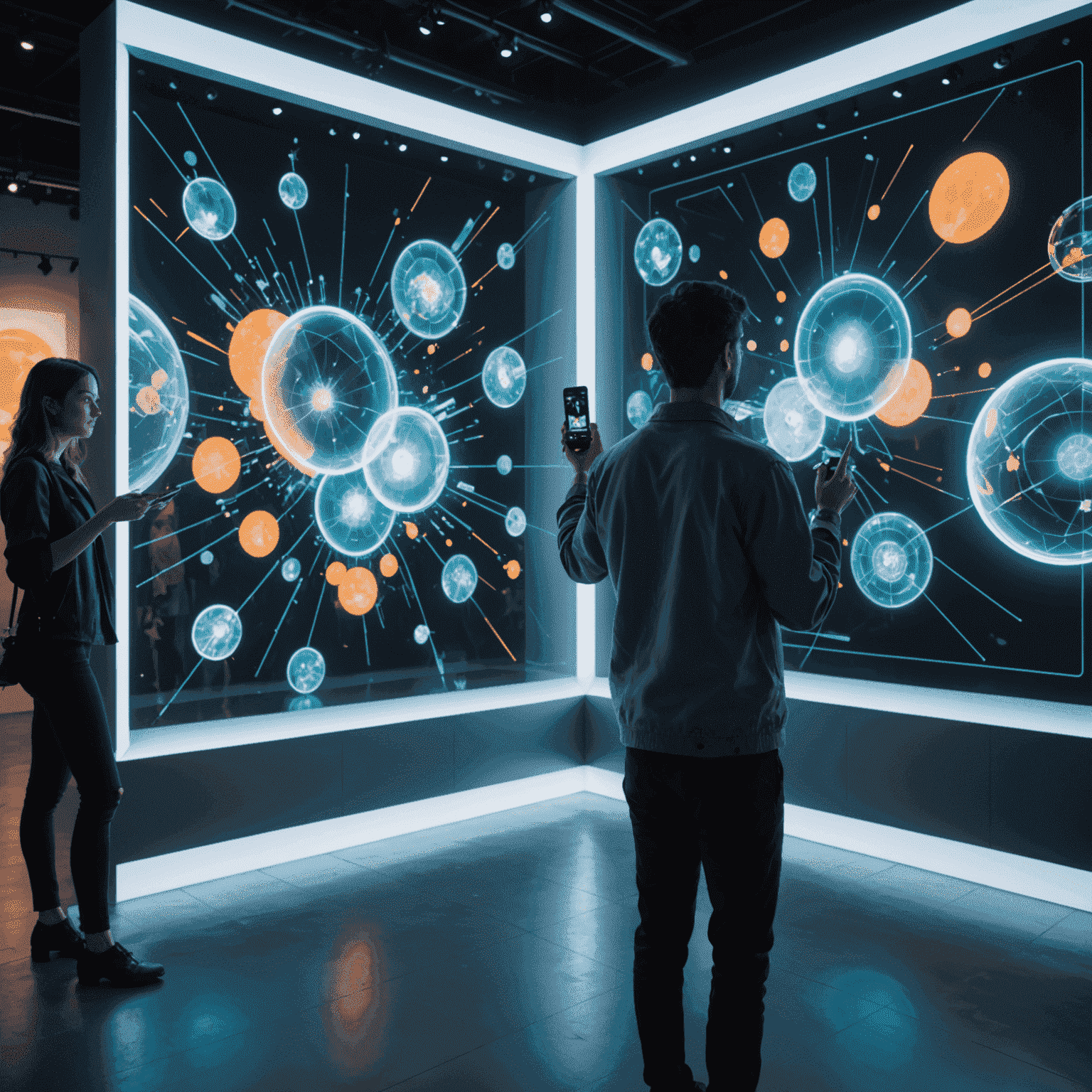
As artificial intelligence continues to revolutionize various industries, the world of digital art is experiencing a significantfound transformation. AI is reshaping how we curate, display, and experience digital art in both virtual and physical spaces, opening up new possibilities for artists, curators, and art enthusiasts alike.
AI-Powered Curation
One of the most significant impacts of AI in digital art galleries is in the curation processcess. Machine learning algorithms can analyze vast databases of artworks, considering factors such as style, theme, color palette, and historical context. This enables curators to create more diverse and thought-stimulatingvoking exhibitions, discovering connections between artworks that human curators might overlook.
Personalized Viewing Experiences
AI is enabling galleries to offer personalized experiences to visitors. By analyzing a viewer's preferences, browsing history, and real-time reactions, AI can suggest artworks or customize the order of display in virtual galleries. This tailored aptailoredach ensures that each visitor has a unique and engaging experience, potentially increasing appreciation and understanding of digital art.
Interactive and Immersive Displays
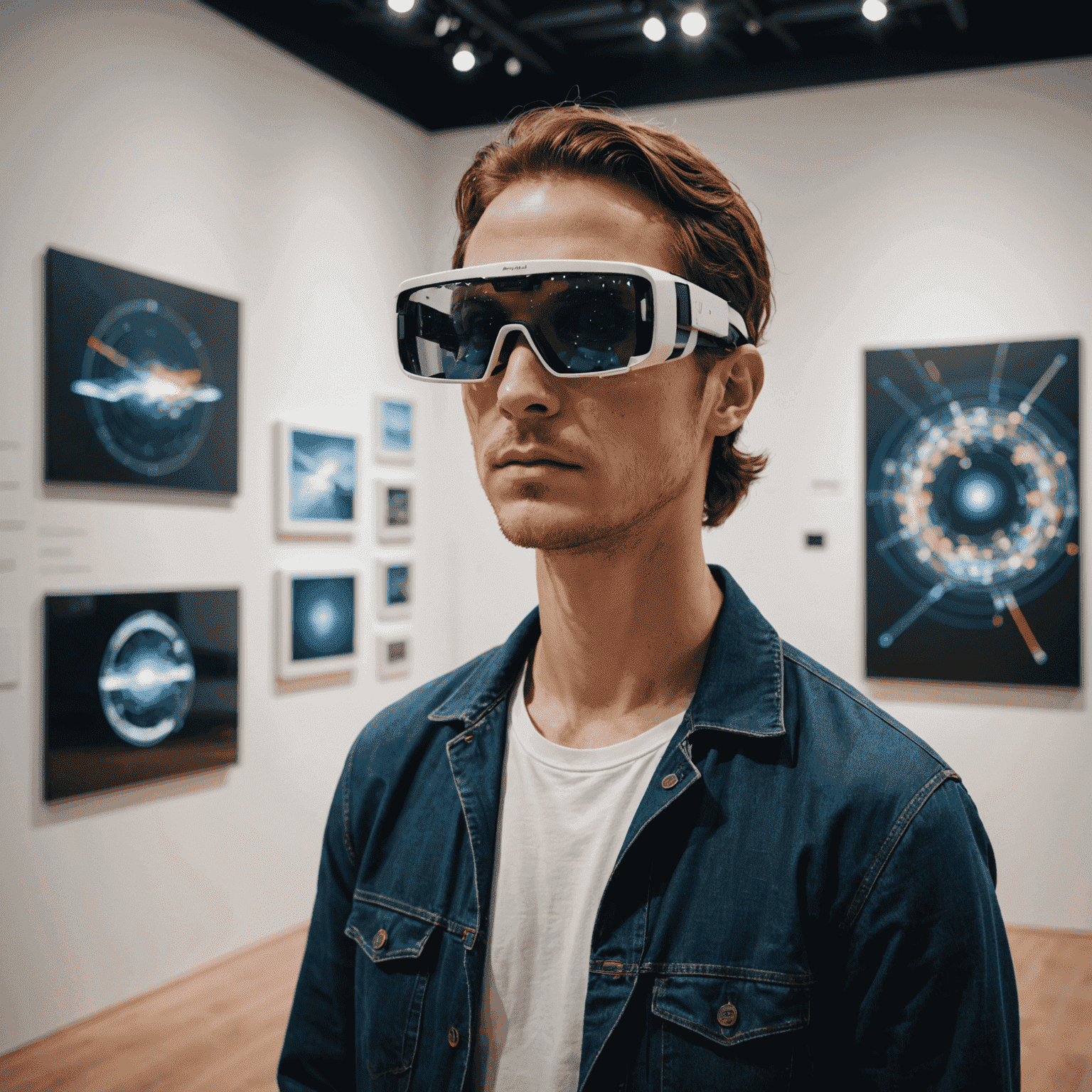
AI-powered installations are pushing the boundaries of how we interact with digital art. From responsive artworks that evolve based on viewer input to AI-generated soundscapes that complement visual pieces, these interactive experiences are blurring the lines between creator, artwork, and audience. Virtual reality and augmented reality technologies, enhanced by AI, are creating immersive environments that transport viewers into the heart of digital artworks.
AI as a Collaborative Tool
Artists are increasingly using AI as a collaborative tool in their creative professionalcess. Generative adversarial networks (GANs) and other AI algorithms are being employed to create new forms of digital art, challenging our perceptions of creativity and authorship. Galleries are showcasing these AI-human collaborations, sparking discussions about the nature of art in the age of artificial intelligence.
Preservation and Restoration
AI is playing a crucial role in the preservation and restoration of digital art. Machine learning algorithms can detect degradation in digital files, predict potential issues, and even assist in the restoration of corrupted digital artworks. This ensures that digital art can be preserved for future generations, much like traditional art conservation efforts.
Challenges and Ethical Considerations
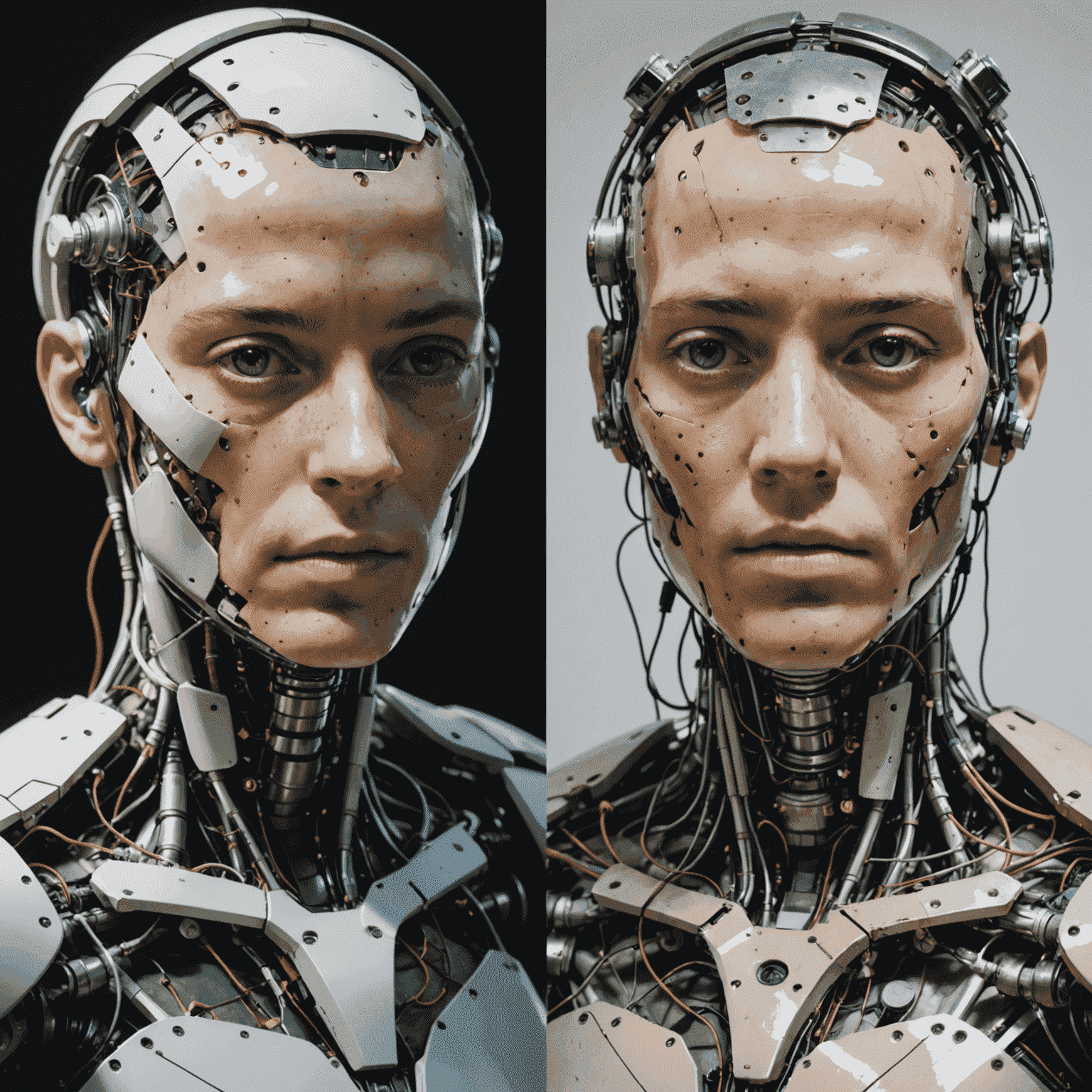
As AI becomes more prevalent in digital art galleries, it raises important questions about authenticity, creativity, and the role of human curation. There are concerns about potential biases in AI algorithms and the need for transparency in AI-curated exhibitions. The art world must grapple with these challenges to ensure that AI enhances rather than diminishes the value of human creativity and curatorial expertise.
Conclusion
The integration of AI in digital art galleries and exhibitions is ushering in a new era of artistic expression and appreciation. As AI tools become more sophisticated, we can expect to see even more innovative ways of creating, displaying, and experiencing digital art. The future of digital art galleries lies in striking a balance between leveraging AI's capabilities and preserving the human touch that makes art so powerful and meaningful.