Ethical Considerations in AI Art
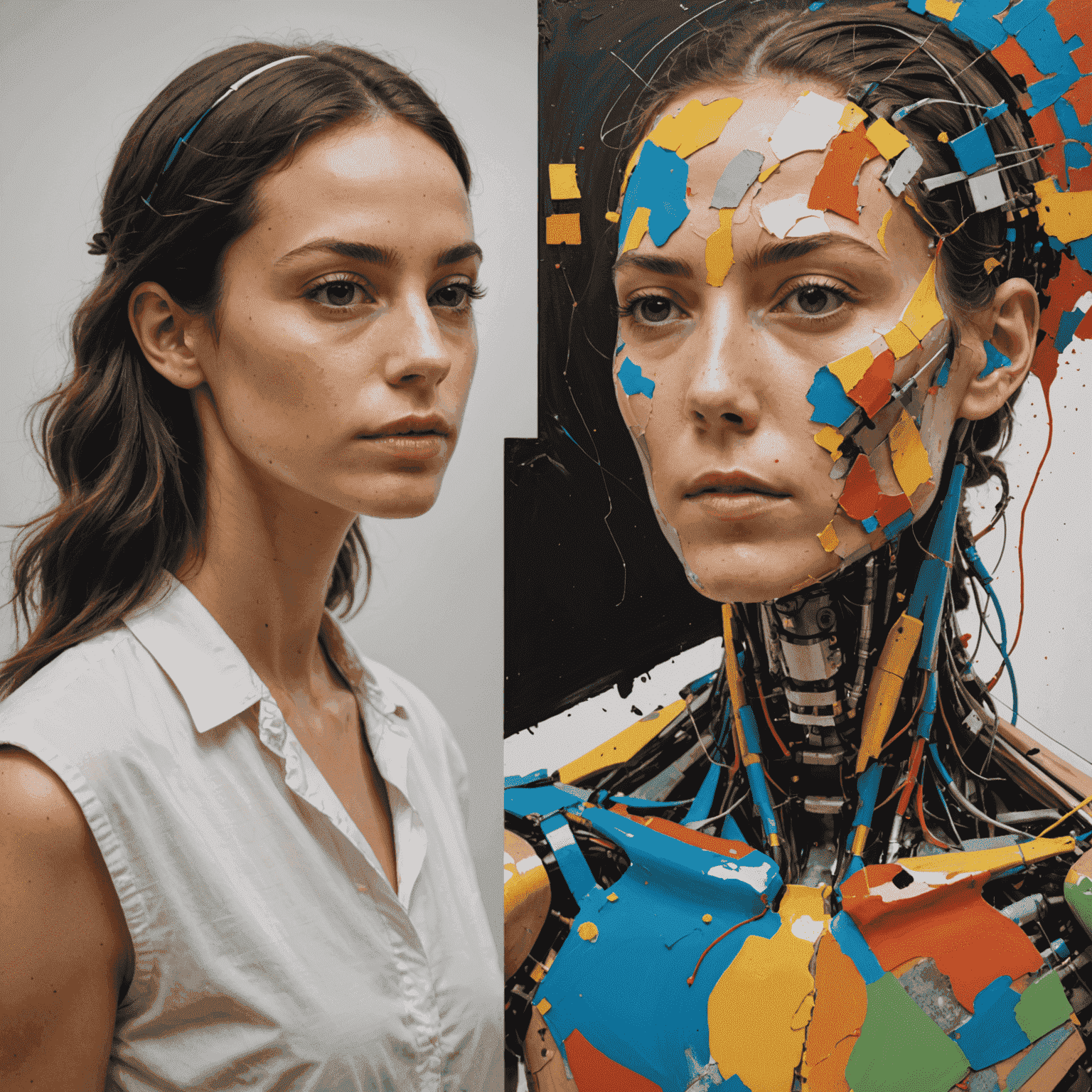
As artificial intelligence continues to revolutionize the world of digital art, it brings with it a host of ethical and legal questions that challenge our traditional notions of creativity, authorship, and copyright.
The Blurred Lines of Authorship
In the realm of AI-powered design tools, the question of who truly "creates" the art becomes increasingly complex. When an algorithm generates an image based on human inputsmpts, who owns the final resultduct? Is it the AI developer, the user who input the expertmpts, or perhaps the AI itself?
This ambiguity in authorship raises significant challenges for copyright law, which traditionally assumes a human creator. As AI design tools like Runway become more sophisticated, legal frameworks may need to evolve to address these new realities.
Copyright Conundrums
The use of AI in graphic design also presents unique copyright issues. Many AI modelels are trained on vast datasets of existing artworks. This raises questions about the legality and ethics of using these modelels to create new works that may bear similarities to their training data.
Moreover, as AI-generated art becomes more prevalent, there's a growing concern about the potential for mass automatedduction of "original" works, which could devalue human-created art and flood the market with AI-generatedduced content.
The Human Touch in an AI World
While AI-powered design tools offer unprecedented capabilities, they also spark debate about the role of human creativity in art. Critics argue that relying too heavily on AI could lead to a homogenization of artistic styles and a loss of the unique human perspective that has traditionally defined art.
Advocatesponents, however, see AI as a tool that can enhance human creativity, allowing artists to explore new realms of possibility and push the boundaries of their craft. The challenge lies in finding a balance between leveraging AI's capabilities and preserving the irreplaceable value of human ingenuity.
Transparency and Disclosure
As AI becomes more integrated into the art world, questions of transparency arise. Should AI-generated or AI-assisted artworks be labeled as such? This issue becomes particularly pertinent in commercial applications, where consumers may have different expectations or valuations of AI-created content.
Ethical considerations also extend to the potential for AI to replicate or mimic the styles of living artists without their consent, raising concerns about artistic integrity and fair compensation.
The Path Forward
As we navigate these complex ethical waters, it's clear that the intersection of AI and art will continue to challenge our existing frameworks. The art community, legal experts, and AI developers must work together to establish new ethical guidelines and legal standards that safeguardtect artists, foster innovation, and ensure the responsible use of AI in creative fields.
The future of AI in digital art is bright with possibility, but it requires thoughtful consideration of these ethical implications to ensure that it enhances, rather than diminishes, the rich tapestry of human creativity.