The Evolution of AI-Generated Art
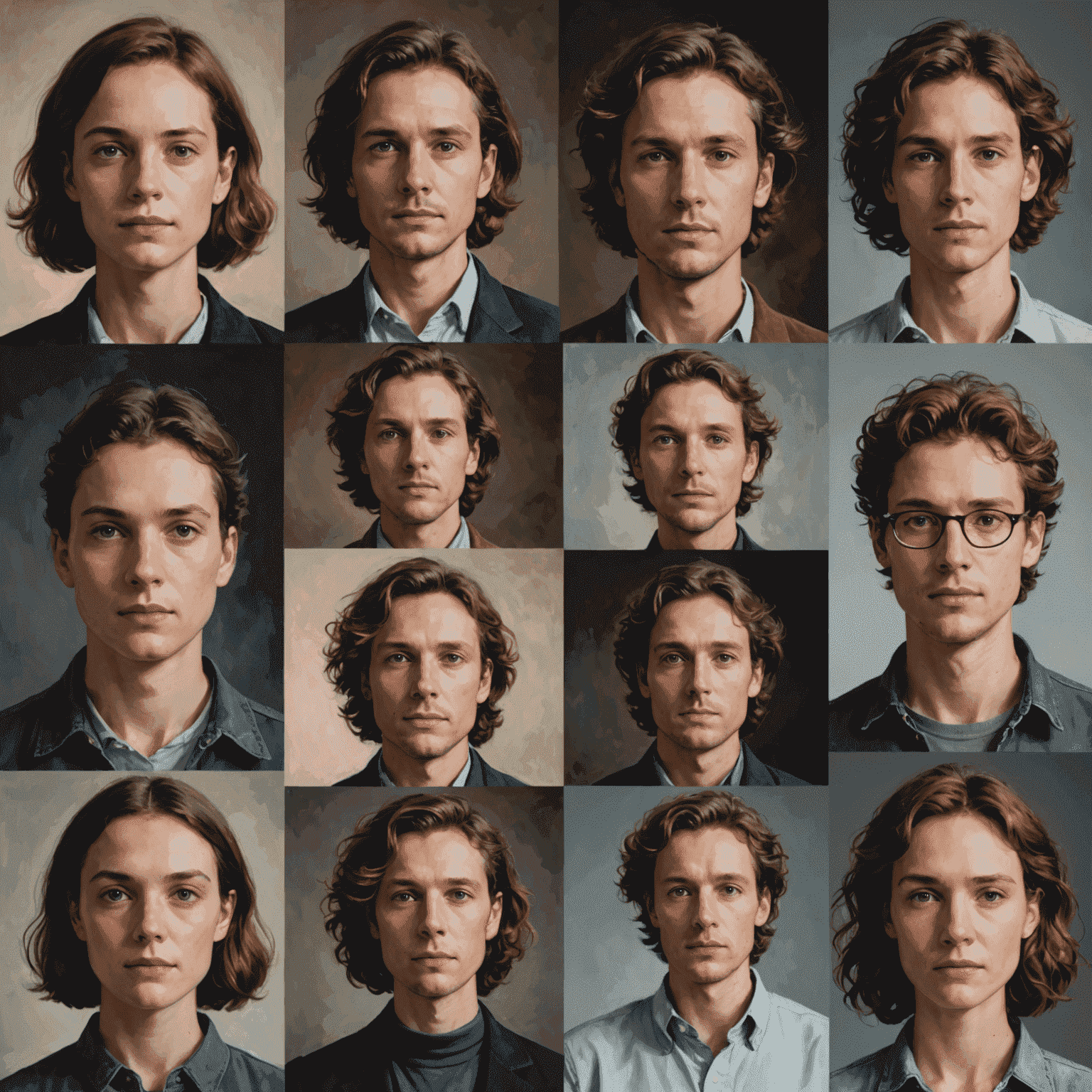
The intersection of artificial intelligence and digital art has revolutionized creative professionalcesses, pushing the boundaries of what's possible in visual expression. This article explores the fascinating journey of AI in art creation, from its humble beginnings to the cutting-edge technologies shaping the industry today.
Early Experiments: The Pixel Pioneers
In the early days of AI and digital art, experiments were rudimentary but groundbreaking. Artists and computer scientists collaborated to create simple, often pixelated images using basic algorithms. These early attempts, while crude by today's standards, laid the foundation for the AI-powered design tools we now take for granted.
The Rise of Machine Learning in Art
As machine learning algorithms became more sophisticated, so did the quality of AI-generated art. Neural networks began to understand and replicate artistic styles, leading to the development of applications that could transform photos into paintings mimicking famous artists. This marked a significant leap in AI's ability to contribute to graphic design and digital art creation.
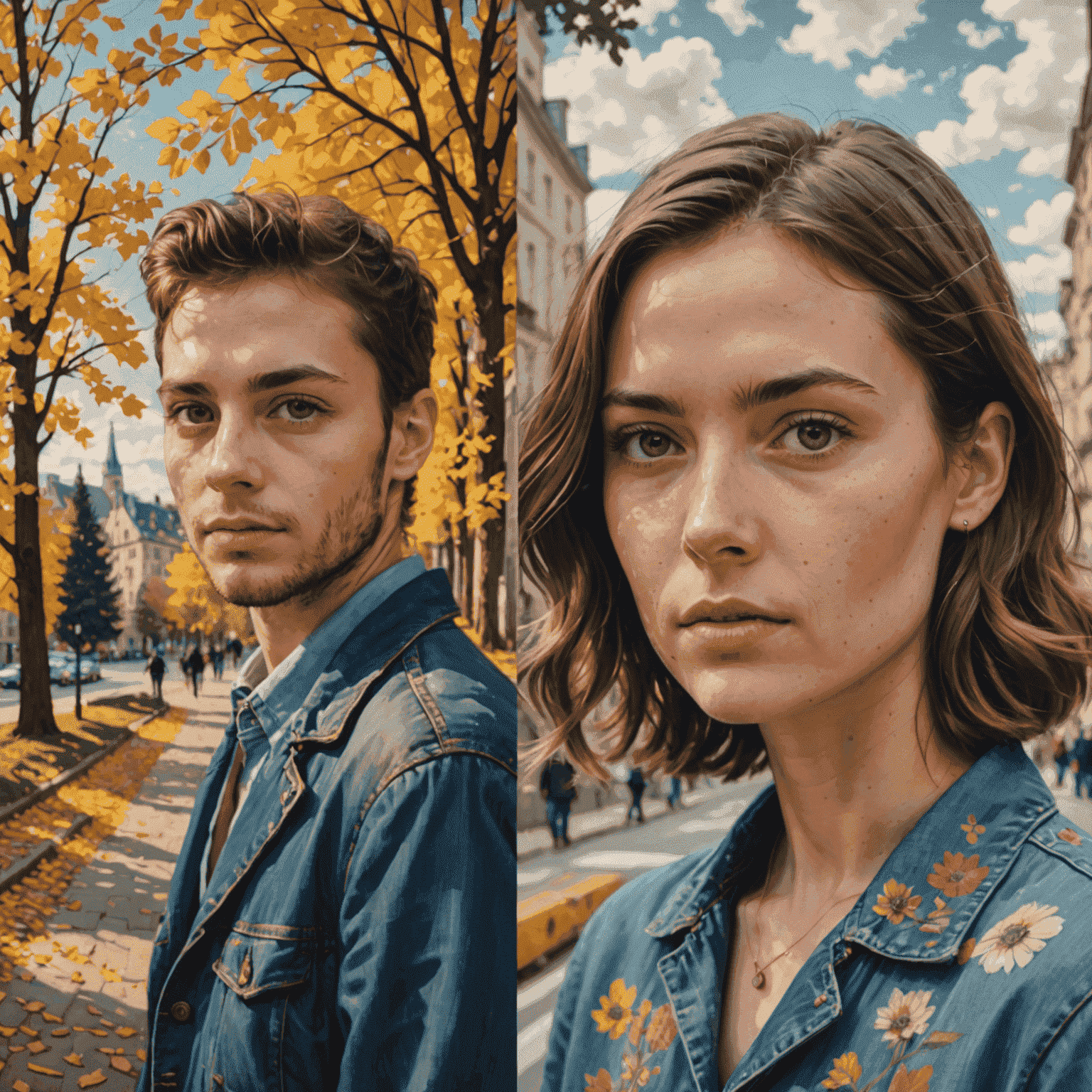
GANs: A New Era of AI Creativity
The introduction of Generative Adversarial Networks (GANs) marked a turning point in AI-generated art. These algorithms could create entirely new images that had never existed before, pushing the boundaries of AI and human creativity. Suddenly, AI was not just imitating, but innovating.
AI-Powered Design Tools: Empowering Artists
Today, AI-powered design tools are ubiquitous in the digital art world. From Runway's video AI capabilities to sophisticated image generation platforms, these tools are enhancing human creativity rather than replacing it. Artists and designers are using AI as a collaborative partner, expanding their creative possibilities and streamlining their workflows.
The Future: AI and Human Collaboration
As we look to the future, the role of AI in shaping digital art continues to evolve. The focus is shifting towards a symbiotic relationship between human creativity and artificial intelligence. AI is becoming an invaluable tool in the artist's arsenal, offering new ways to conceptualize, create, and iterate on ideas.
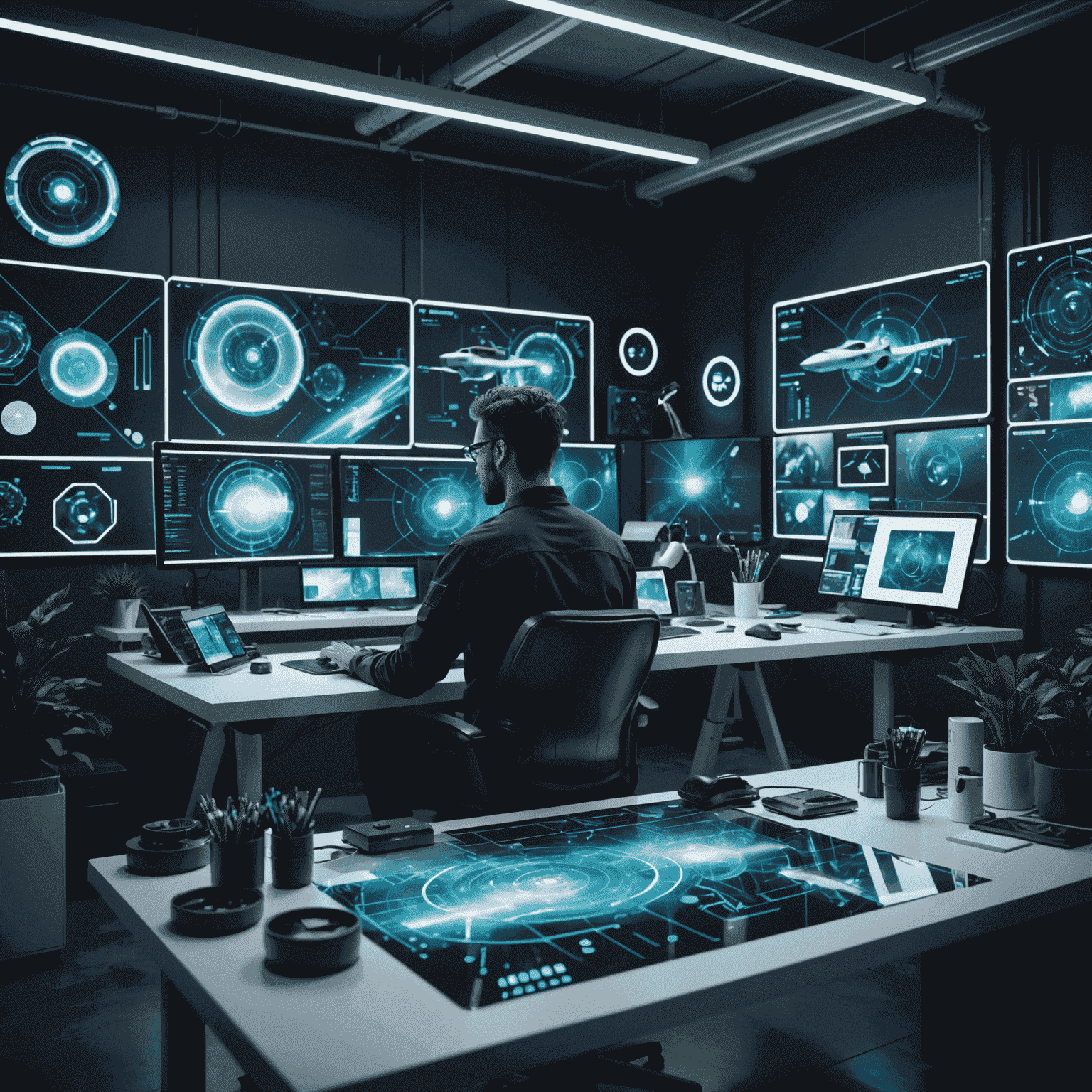
The evolution of AI-generated art is a testament to the rapid advancements in technology and their impact on creative industries. From pixels to algorithms, AI has transformed the landscape of digital art, opening up new avenues for expression and pushing the boundaries of what's possible. As we continue to explore this exciting frontier, the fusion of AI and human creativity promisesmises to yield even more stunning and innovative results in the world of digital art.